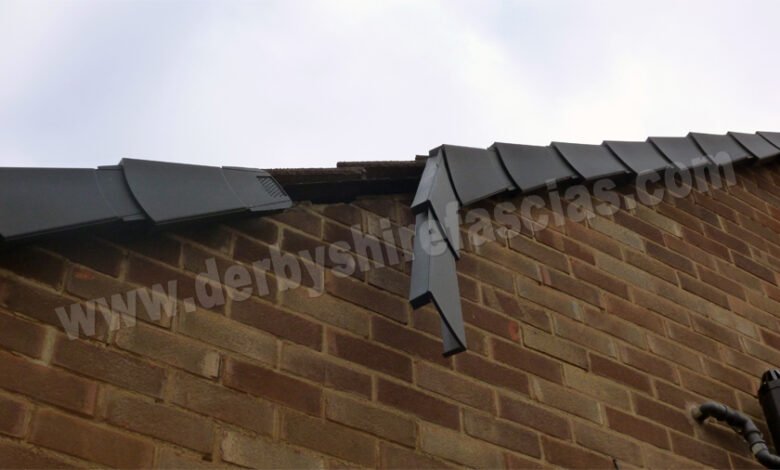
A badly fitted dry verge can cause significant issues to a roof if left unchecked. These verge systems are designed to protect the edges of pitched roofs, preventing water ingress and keeping tiles securely in place. When a dry verge is installed incorrectly, it can allow water to seep underneath tiles, leading to damp patches, rot, and potentially costly structural damage.


Early detection of a badly fitted dry verge is essential for homeowners, landlords, and tradespeople. Even minor misalignments or gaps can lead to long-term problems if ignored. Understanding the signs, causes, and solutions ensures your roof remains secure, watertight, and compliant with industry standards.
What is a Dry Verge and Why Proper Fitting Matters
A dry verge is a protective covering fitted along the edge of a roof, providing a watertight seal while securing tiles in position. Unlike traditional mortar verges, dry verges rely on interlocking units fixed to brackets, offering a cleaner finish and requiring less maintenance. When fitted incorrectly, a roof badly fitted dry verge can compromise the roof’s integrity and increase the risk of leaks.
Proper installation is vital because it ensures the verge units remain aligned and secure, even under harsh weather conditions. A badly fitted dry verge can allow water and wind to enter the roof structure, causing damage to the underlying battens, tiles, and even interior walls. Professional installation following BS 8612 standards reduces these risks significantly.
Signs of a Badly Fitted Dry Verge
There are several clear signs that indicate a badly fitted dry verge. Loose or misaligned units, visible gaps, and shifting caps along the roof edge are common indicators. Homeowners may notice water dripping inside during rain or patches of damp developing along walls, which is often a direct consequence of a roof badly fitted dry verge.
Other warning signs include the presence of old, crumbling mortar under verge units, poor alignment between tiles and caps, or brackets that appear unsecured. If these issues are visible, they should be addressed promptly. Regular inspections of roof edges are crucial, as small faults in a badly fitted dry verge can quickly escalate into larger, more expensive problems.
Common Causes of Badly Fitted Dry Verge

A badly fitted dry verge often results from mistakes during installation. Common causes include failing to remove old mortar, using incorrect brackets or clips, or installing the wrong verge system for the type of tiles. Even minor misalignments or gaps can compromise the effectiveness of the system and allow water penetration.
DIY installations can increase the risk of errors, particularly if the installer is inexperienced. It is important to weigh the badly fitted dry verge pros and cons when considering a DIY repair versus hiring a professional. Professional installers ensure the system is properly aligned, secured, and watertight, providing peace of mind and preventing future damage.
How to Fix a Badly Fitted Dry Verge
Repairing a badly fitted dry verge involves several key steps. First, the old units and any residual mortar must be removed carefully to prevent damage to the tiles or roof structure. The roof edge and battens should then be prepared to create a clean, even surface for the new installation.
Next, new brackets and interlocking verge units are installed, making sure each unit aligns correctly and forms a watertight seal. It is essential to check that every joint is secure and that no gaps remain where water could enter. While minor repairs can be done by experienced DIYers, major issues should always be handled by qualified roofers to ensure safety and long-term effectiveness.
Preventing Future Problems
Regular inspections are the best way to prevent issues with dry verges. Checking for loose units, gaps, or damage after storms ensures that any minor problems are addressed before they escalate. Using the correct materials and following manufacturer instructions is key to a long-lasting installation.
Scheduling professional roof inspections every few years is also advisable, even on a correctly installed system. Weathering can affect the alignment and stability of verge units over time. Ongoing maintenance and timely repairs will protect the roof from leaks, damp, and structural damage, extending its lifespan and maintaining your property’s value.
Conclusion
A badly fitted dry verge can have serious consequences for any property, from leaks and damp to structural issues. Identifying problems early, understanding the common causes, and knowing how to fix or prevent them is essential. Regular inspections and professional installation can save homeowners significant time and expense.
Taking prompt action on a badly fitted dry verge ensures your roof remains secure and watertight. Whether repairing minor faults or commissioning a full replacement, understanding the risks and solutions protects both your property and your peace of mind. Proper care and maintenance are vital for a durable and safe roof.