The Chester half marathon route is one of the most scenic and historic running courses in the United Kingdom. Every year, runners from across the country and beyond participate in this iconic race, eager to explore the charming streets of Chester while testing their endurance. Understanding the Chester half marathon route is essential for anyone who wants to prepare effectively, ensuring a smooth and enjoyable race experience.

Familiarity with the course can make a significant difference on race day. The Chester half marathon route combines both flat sections and gentle inclines, passing through the city’s historic landmarks and riverside paths. By studying the route ahead of time, runners can plan their pacing, anticipate challenging stretches, and enjoy the city’s rich scenery without unnecessary stress.
Overview of Chester Half Marathon Route
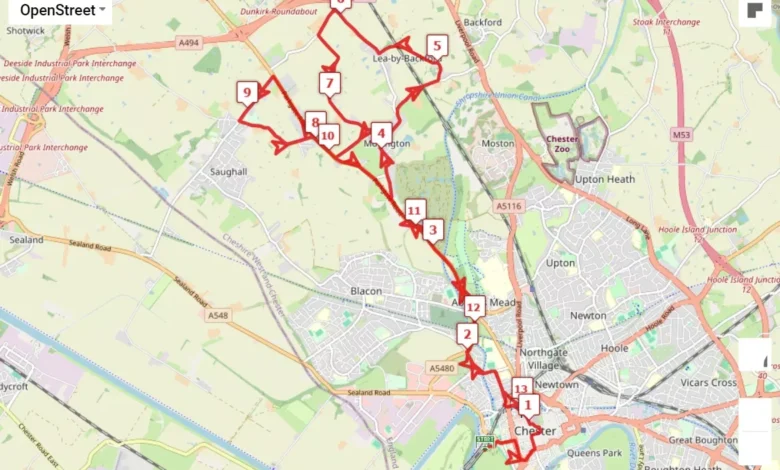
The Chester half marathon route begins at the renowned Chester Racecourse, offering a wide and welcoming starting area for participants. From the start, runners head through Watergate Street and along the iconic city walls, taking in the history that surrounds them. The course then moves out of the city centre onto quieter streets, providing a balance of urban excitement and peaceful stretches.
This route is designed to showcase Chester’s best sights while remaining accessible for runners of all abilities. The Chester half marathon route allows participants to experience a combination of challenging and manageable terrain. Whether you are running for a personal best or enjoying the event at a steady pace, the course provides both excitement and variety.
Detailed Maps of Chester Half Marathon Route
Runners can access a variety of Chester half marathon route maps to plan their strategy in advance. Google Maps and downloadable PDF versions offer precise details of the course, including start and finish points, key turns, and landmarks. Platforms like Strava and Plotaroute also allow runners to preview the route virtually and even simulate race conditions during training sessions.
Comparing historical maps from 2016 through to 2024 gives insight into how minor route adjustments have been implemented over the years. Studying these maps helps runners understand elevation changes, tricky corners, and areas where crowd support is strongest. Using maps to familiarise yourself with the Chester half marathon route ensures that no surprises affect your race performance.
Elevation and Route Profile

Although the Chester half marathon route is largely flat, it features gentle inclines and declines that can challenge runners who are unprepared. The city streets may have slight rises, while riverside paths and historic areas provide minor elevation changes that require careful pacing. Reviewing the Chester half marathon route elevation profile is essential for anyone aiming to maintain a steady speed throughout the 13.1-mile course.
Runners can benefit greatly from practising on similar terrain before race day. By simulating the elevation changes found on the Chester half marathon route, participants can develop endurance and pacing strategies. Understanding which sections may feel more strenuous allows runners to save energy for key parts of the course, particularly the final kilometres leading to the city centre finish.
Landmarks and Notable Sections
One of the most exciting aspects of the Chester half marathon route is the opportunity to run past historic landmarks and scenic highlights. Participants pass through Watergate Street, the city walls, and other iconic areas, providing both motivation and photo-worthy moments. The riverside sections offer a tranquil contrast to the bustling city streets, giving runners a brief respite while maintaining a strong pace.
Supporters line the course at strategic points, creating an encouraging atmosphere that keeps runners motivated. Key sections of the Chester half marathon route are known for enthusiastic crowds, providing a psychological boost during longer stretches. Familiarising yourself with these notable areas allows runners to anticipate where extra energy might be needed and where they can enjoy the surroundings.
Training and Preparation Tips for Chester Half Marathon Route
Proper preparation is essential for mastering the Chester half marathon route. Training should include both flat and slightly inclined runs to simulate the race conditions. Studying the course ahead of time, reviewing maps, and understanding elevation profiles helps runners develop a personalised strategy, enabling them to pace themselves efficiently and avoid fatigue in key sections.
It is also important to consider race-day logistics such as road closures, hydration points, and start times. By planning ahead and practising along parts of the Chester half marathon route, runners can approach race day with confidence. Knowledge of the course allows participants to focus on endurance, enjoy the experience, and achieve personal running goals.
Conclusion
The Chester half marathon route is a perfect blend of history, challenge, and scenic beauty, making it an unforgettable race for runners of all levels. From the start at Chester Racecourse to the finish in the city centre, the course offers a variety of terrain, memorable landmarks, and gentle elevation changes. Familiarising yourself with the route in advance is the key to a successful and enjoyable race.
Whether you are participating in 2025 or reflecting on past editions, understanding the Chester half marathon route can significantly enhance your preparation. Using maps, reviewing elevation profiles, and training strategically ensures that runners can experience the full charm and challenge of this iconic UK half marathon.