i’ve signed a tenancy agreement but want cancel – this is a situation many tenants face after committing to a rental property, often due to unexpected life changes, new employment, or discovering issues with the property. In the UK, tenancy agreements are legally binding contracts, and leaving a tenancy early without proper steps can lead to financial or legal consequences. Understanding your options is essential to avoid unnecessary stress.


Many tenants believe they can simply back out of an agreement, but UK law provides no general cooling-off period for standard tenancies. This means that once you sign, you are usually committed to paying rent and following all contract terms. Taking informed steps, such as reviewing the contract or negotiating with the landlord, is the safest way to end a tenancy early.
Understanding Your Tenancy Agreement
i’ve signed a tenancy agreement but want cancel – the first and most important step is to carefully examine your tenancy agreement. This document outlines all your legal responsibilities and those of the landlord, including rent obligations, notice periods, and conditions for ending the tenancy. Fixed-term agreements last for a specific period, while periodic tenancies continue on a rolling basis. Knowing which type you have is essential before exploring options for early termination.
It is also crucial to check for a break clause. Break clauses provide a legal way to end the tenancy early if certain conditions are met, such as giving the correct notice period. Without a break clause, you may still be able to negotiate with the landlord, but any termination without agreement could result in liability for rent until the end of the fixed term or until a replacement tenant is found.
Legal Options to Cancel a Tenancy Agreement
i’ve signed a tenancy agreement but want cancel – while it can be challenging, there are legal methods to end a tenancy early in the UK. The most common option is using a break clause, which allows you to terminate the tenancy after a specific period. Following the notice requirements exactly is vital, as failure to do so could invalidate the break clause. This option provides a clear, legally supported route to exit your tenancy.
If there is no break clause, negotiation with the landlord is the next option. Many landlords may agree to end the tenancy early if approached respectfully, sometimes requiring a surrender fee or helping to find a replacement tenant. Additionally, if the tenancy was signed based on false information or misrepresentation, tenants may have legal grounds to unwind the contract, although such cases require careful documentation.
Steps to Take if You Want to Cancel
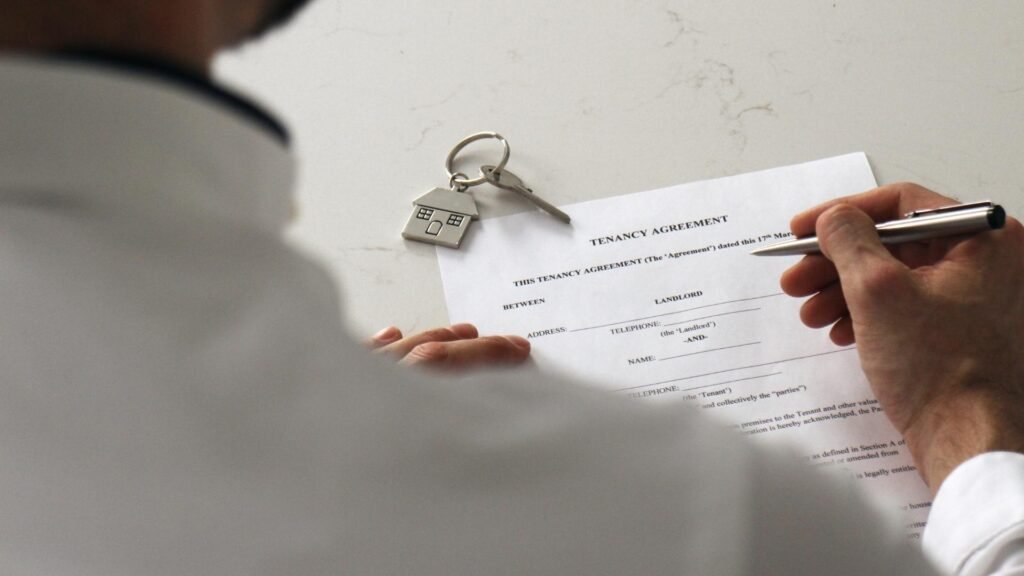
i’ve signed a tenancy agreement but want cancel – taking the right steps promptly is crucial to minimise risk. Begin by reviewing the agreement thoroughly and highlighting all clauses that relate to ending the tenancy. Knowing your rights and obligations allows you to approach the landlord confidently and reduces the chance of unexpected penalties or disputes.
After reviewing your agreement, contact the landlord immediately. Clearly explain your circumstances and propose solutions, such as finding a replacement tenant or paying a negotiated fee. Document all communications in writing, including emails or letters, as this ensures a record exists if disagreements arise. Acting early and professionally significantly increases the chances of a smooth resolution.
Alternatives to Cancelling a Tenancy
i’ve signed a tenancy agreement but want cancel – sometimes you can explore alternatives instead of outright termination. Subletting, for example, may be possible if the landlord provides written consent. While subletting can reduce your financial burden, tenants remain legally responsible for rent payments and property condition. This approach allows for flexibility while still adhering to contractual obligations.
Another alternative is assigning the tenancy to a new tenant. With landlord approval, the new tenant assumes responsibility, releasing you from further obligations. Some tenants also wait until the fixed term ends and transition to a periodic tenancy, which allows ending the tenancy with the required notice while avoiding significant penalties. These options often provide a more practical solution than attempting to cancel outright.
Common Mistakes to Avoid
i’ve signed a tenancy agreement but want cancel – avoiding common mistakes can save tenants significant stress and money. One common error is leaving the property without notice or ignoring the contract’s clauses. This can lead to legal action, financial penalties, and a damaged rental record. Always ensure you fully understand the agreement before taking any steps.
Another mistake is assuming verbal agreements override written contracts. Landlords are only legally bound by the signed tenancy agreement, so always ensure any arrangement is documented. Failing to document communications, breaking notice requirements, or neglecting to check for break clauses can make ending a tenancy more difficult and increase liability for rent and fees.
Conclusion
i’ve signed a tenancy agreement but want cancel – ending a tenancy early in the UK is possible, but it requires careful planning, understanding your legal rights, and communicating effectively with your landlord. Reviewing your contract, identifying break clauses, and exploring alternatives such as surrender agreements, subletting, or assignments are essential steps.
By taking prompt and professional action, tenants can reduce financial risk and avoid disputes. Documenting all interactions with the landlord and understanding the implications of leaving early ensures a smooth process. Ultimately, knowing your options and obligations is the key to managing this challenging situation responsibly.