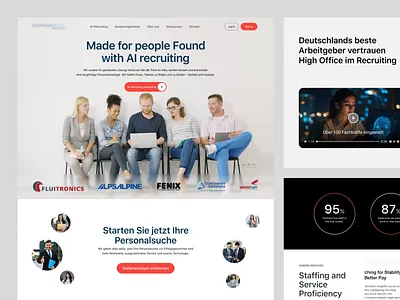
Recruitment agency website design plays a critical role in the success of recruitment businesses across the UK. A modern and professional website helps agencies attract top talent and secure clients by providing an engaging, easy-to-navigate platform. In today’s competitive market, having an outdated or poorly designed website can deter candidates and reduce credibility, making effective design essential for growth and visibility.

A strong recruitment agency website design goes beyond aesthetics. It combines responsive layouts, intuitive navigation, and optimised performance to ensure users can find jobs or services quickly. For UK recruitment agencies, integrating local SEO and user-friendly tools like searchable job listings enhances functionality. A well-crafted design creates a positive first impression, builds trust, and improves engagement from both clients and candidates.
Key Features of Effective Recruitment Agency Website Design
Successful recruitment agency website design focuses on usability, speed, and branding consistency. Clear navigation, logical menus, and quick access to job listings make the user experience seamless. Mobile responsiveness is also essential, as a significant portion of candidates search and apply for jobs using smartphones and tablets. A visually appealing design reflects professionalism and encourages users to explore further.
Technical optimisation is another vital component of recruitment agency website design. Fast-loading pages, secure forms, and SEO-friendly structures increase website performance and visibility on Google UK. Features such as integrated job boards, application filters, and call-to-action buttons enhance usability. Combining design and functionality ensures that agencies can attract both candidates and clients effectively, resulting in higher engagement and conversions.
Best Recruitment Agency Website Design Examples
Examining the best recruitment agency website design examples provides inspiration for UK agencies. Leading agencies often feature clean, intuitive layouts, interactive job search tools, and clear service descriptions. These examples show how design choices, such as structured menus, engaging visuals, and responsive interfaces, can enhance user experience and attract more traffic to the website.
The best recruitment agency website design examples also highlight the importance of branding. Effective colour schemes, typography, and imagery maintain a consistent identity while appealing to the target audience. By analysing these examples, agencies can learn how to implement design elements that improve usability, boost credibility, and differentiate themselves from competitors in the UK recruitment market.
Recruitment Agency Website Design Templates
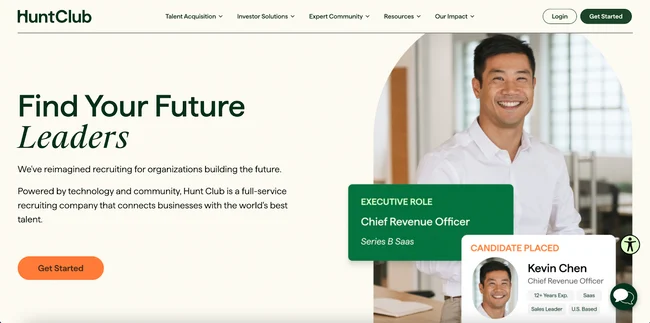
Recruitment agency website design templates offer a fast and cost-effective solution for agencies that want professional-looking websites without building from scratch. Templates, including WordPress, Wix, and Squarespace options, provide pre-built layouts that are responsive, mobile-friendly, and SEO-optimised. Using templates allows agencies to focus on content and branding rather than complex coding.
Choosing the right recruitment agency website design template requires careful consideration. Premium templates often include integrated job boards, advanced SEO settings, and conversion-focused layouts, while free templates offer basic functionality suitable for smaller agencies. Customising templates ensures that the website aligns with the agency’s brand identity while maintaining the professional features that clients and candidates expect.
Recruitment Agency Website Design Inspiration
Creative recruitment agency website design inspiration helps agencies differentiate themselves in a crowded UK market. Features such as AI-driven job matching, live chat support, and interactive career resources create engaging experiences for visitors. Modern layouts with clear call-to-action buttons, readable typography, and appealing colour schemes improve usability and encourage interaction.
Recruitment agency website design inspiration also encourages agencies to explore new trends and innovative features. For example, incorporating video introductions, employee stories, or interactive guides can enhance the candidate experience. Agencies that embrace design creativity while maintaining functionality can build a memorable online presence that attracts talent and strengthens client relationships.
Tips for Optimising Recruitment Agency Website Design for Success
Optimising recruitment agency website design involves more than just visuals. Implementing UK-focused SEO strategies, including keyword optimisation, meta descriptions, and structured data, ensures higher visibility on search engines. Fast-loading pages, mobile optimisation, and intuitive navigation enhance user experience, reduce bounce rates, and increase engagement from potential clients and candidates.
Content plays a crucial role in recruitment agency website design optimisation. Providing blogs, guides, and career resources positions your agency as a trusted authority in the industry. Monitoring user behaviour through analytics allows continuous improvement, while effective calls-to-action encourage applications and enquiries. By combining design, content, and SEO, agencies can create websites that generate leads and elevate brand presence.
Conclusion
Recruitment agency website design is an essential investment for UK agencies looking to thrive in 2026. By combining responsive design, SEO optimisation, and engaging features, agencies can attract top talent and secure clients more effectively. Learning from the best examples, using templates wisely, and drawing inspiration from creative designs ensures a professional, functional, and high-performing website.
A strong recruitment agency website design builds credibility, improves user experience, and enhances business growth. Agencies that prioritise both form and function are better positioned to compete in the UK market. Investing time and resources into optimising website design is not just a technical task but a strategic move that benefits the business in the long term.