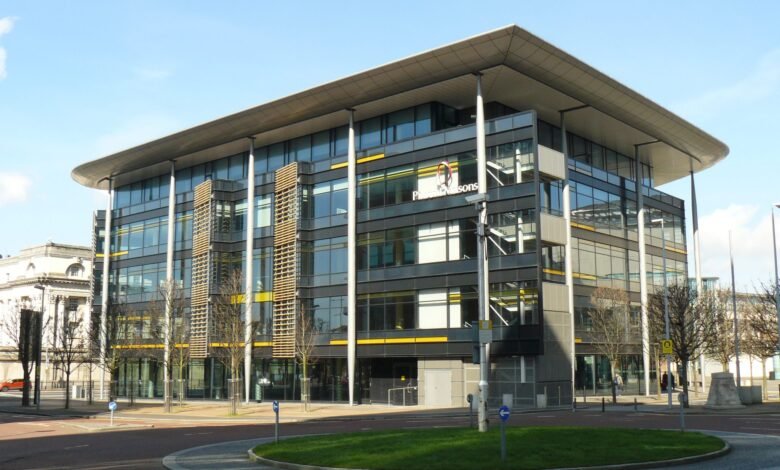
The soloist building belfast has become one of the most recognisable examples of contemporary architecture in Northern Ireland’s capital. Rising confidently within the city centre, it represents a clear statement of modern ambition, professional growth, and urban regeneration. For many people, the building symbolises how Belfast has evolved into a city that embraces innovative design while respecting its historic surroundings.

Beyond its striking appearance, the soloist building belfast holds importance because of what it represents socially and economically. It reflects a period when Belfast invested heavily in attracting global businesses, improving infrastructure, and enhancing the visual quality of the urban environment. This combination of purpose and design has helped the building earn its place as a modern landmark.
Historical Background of the Soloist Building Belfast
The area now occupied by the soloist building belfast has long been associated with civic and legal activity, given its proximity to key institutions in the city. Before development began, the wider Lanyon Place area was identified as a strategic site for regeneration, offering opportunities to modernise the city centre while maintaining its established importance.
The construction of the soloist building belfast took place during a period of renewed confidence in Belfast’s future. The project reflected a desire to move beyond traditional office blocks and create a building that would stand out architecturally. Its development aligned with broader efforts to reposition Belfast as a competitive European city for business, investment, and professional services.
Location and Urban Setting of the Soloist Building Belfast
Located at Lanyon Place, the soloist building belfast enjoys one of the most connected positions in the city centre. With close access to rail links, major roads, and pedestrian routes, the building is easily reached by commuters and visitors alike. This accessibility has been a key factor in its appeal to high-profile occupiers.
The surrounding urban setting further enhances the significance of the soloist building belfast. Positioned near the High Court and other important civic buildings, it forms part of Belfast’s legal and commercial district. The contrast between historic stone buildings and the modern curves of the Soloist creates a visually compelling streetscape that reflects the city’s layered identity.
Architectural Design and Visual Identity
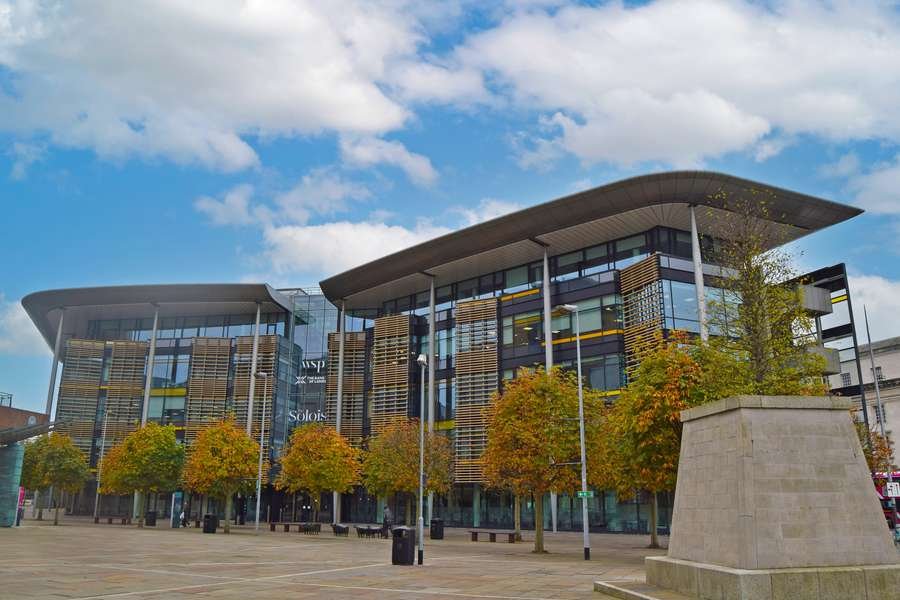
The architectural design of the soloist building belfast is defined by its distinctive curved façade, which immediately draws attention. Unlike more rigid office structures, the flowing lines and contemporary materials give the building a sense of movement and openness. This design choice helps soften the urban environment while still making a bold architectural statement.
The visual identity of the soloist building belfast is not purely aesthetic. Its design responds carefully to its surroundings, ensuring it complements nearby structures rather than overwhelming them. This balance between contrast and harmony is one of the reasons the building is frequently referenced in discussions about successful modern architecture within historic city centres.
Interior Spaces and Modern Functionality
Inside, the soloist building belfast has been designed with modern working life firmly in mind. The interior spaces prioritise flexibility, allowing occupiers to adapt layouts to suit changing business needs. Open-plan options, high ceilings, and generous natural light create a working environment that feels both practical and welcoming.
The functionality of the soloist building belfast also reflects changing expectations of office space. Emphasis on comfort, energy efficiency, and professional presentation makes the building attractive to organisations seeking high-quality premises. These interior qualities reinforce the building’s reputation as a premium workspace within Belfast’s competitive commercial property market.
Commercial and Cultural Importance of the Soloist Building Belfast
From a commercial perspective, the soloist building belfast plays a vital role in supporting Belfast’s economy. By housing leading professional and corporate organisations, it contributes to employment, investment, and the city’s reputation as a centre for expertise and innovation. Its presence has helped reinforce confidence in the city centre as a place to do business.
Culturally, the soloist building belfast has become a point of reference when discussing Belfast’s architectural evolution. It often features in media coverage, architectural case studies, and public conversations about modern design. In this way, the building influences how Belfast is perceived, both by residents and by those encountering the city for the first time.
Architectural Significance Within Belfast’s Skyline
Within Belfast’s skyline, the soloist building belfast occupies a unique position. It does not dominate through height alone but instead stands out through form and character. This approach demonstrates how architectural significance can be achieved through thoughtful design rather than sheer scale.
The long-term influence of the soloist building belfast can be seen in subsequent developments across the city. Its success has encouraged more adventurous architectural approaches, proving that modern buildings can add value visually, economically, and socially. As Belfast continues to grow, the Soloist remains a benchmark for contemporary urban design.
Conclusion on the Lasting Impact of the Soloist Building Belfast
The soloist building belfast is more than an office building; it is a symbol of a city embracing progress while respecting its past. Its history, location, and architectural identity combine to create a landmark that reflects Belfast’s confidence and ambition in the modern era.
As the city continues to evolve, the soloist building belfast is likely to remain an enduring part of the urban landscape. Its design, functionality, and cultural significance ensure it will continue to shape perceptions of Belfast for years to come.