Can You Cremate Someone Yourself? Everything You Need to Know About Legal Rules, Risks, and DIY Alternatives in the UK

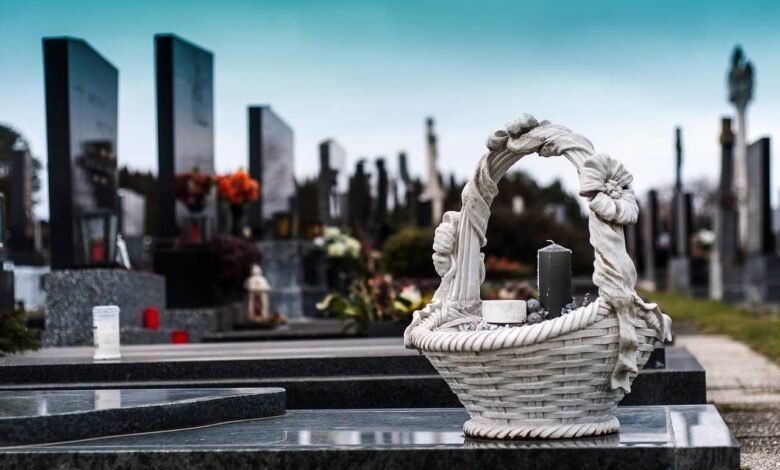
Many people in the UK ask, can you cremate someone yourself, especially those seeking to have more personal control over funeral arrangements. It’s natural to want a hands-on role in saying goodbye to a loved one, but cremation is a highly regulated process that involves complex legal requirements, specialist equipment, and extreme safety precautions. Attempting this at home is both illegal and dangerous.

Understanding whether can you cremate someone yourself is even possible requires a clear look at the laws, practical risks, and what legal alternatives exist. While the idea of a home cremation might seem feasible, the reality is that cremation is designed to be carried out in licensed facilities that ensure safety, dignity, and compliance with UK regulations.
Understanding Cremation in the UK
Cremation in the UK is a regulated process where a deceased person’s body is reduced to ashes through high-heat exposure. This involves temperatures reaching between 1400°F and 2100°F (760–1150°C). Licensed crematoria use industrial furnaces called retorts that maintain precise heat levels, control emissions, and manage the remains safely. These processes are not replicable at home, which is why can you cremate someone yourself is restricted by law.
UK cremation laws require strict adherence to regulations under the Cremation Act 1902 and subsequent amendments. Before a cremation can occur, a death certificate and Form A must be issued, and permission from a licensed crematorium obtained. Any attempt to bypass these legal requirements is considered a serious criminal offence. These rules make it clear that the question of can you cremate someone yourself cannot be answered affirmatively under UK law.
Why You Cannot Cremate Someone Yourself
Legally, the answer to can you cremate someone yourself is no. Cremation can only be conducted in licensed facilities under strict government regulations. Any attempt to cremate a loved one at home or in an unlicensed location can lead to severe legal consequences, including imprisonment or hefty fines. The law ensures public safety, environmental protection, and the dignified treatment of the deceased.
Safety is another critical issue. Cremation involves extreme temperatures and precise handling of the body, which cannot safely be replicated outside professional crematoria. Fires, explosions from pacemakers, and toxic fumes are real hazards. Even experienced individuals would find these risks unmanageable, highlighting why the question of can you cremate someone yourself remains firmly within the realm of legal impossibility.
Legal DIY Alternatives in the UK
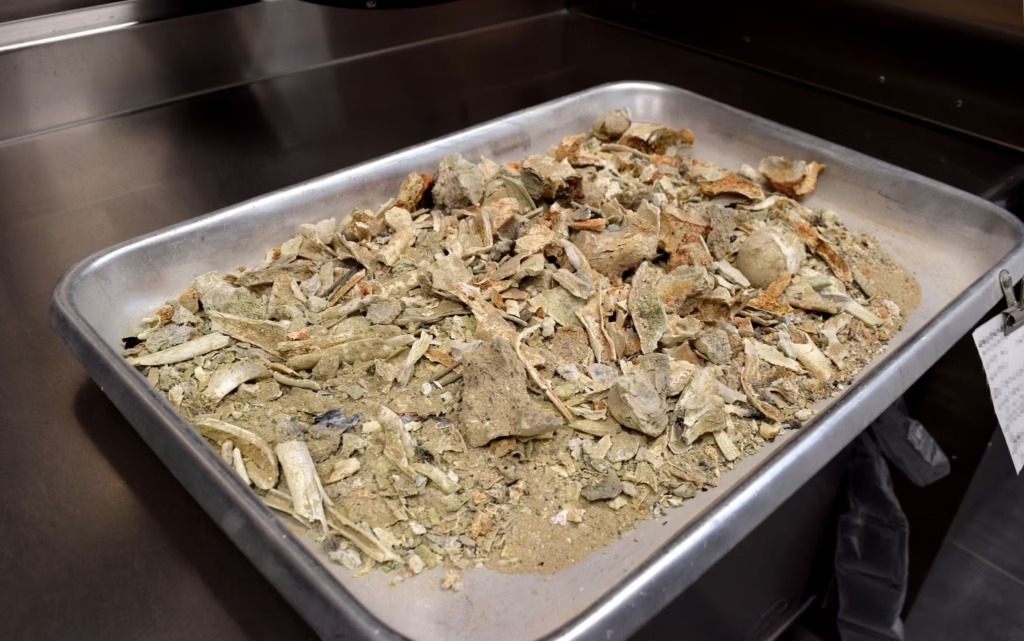
Although can you cremate someone yourself is not allowed, there are legal ways for families to be actively involved in the cremation process. Direct cremation services provide a solution where the body is cremated without a formal ceremony, allowing families to arrange their own memorial service later. This ensures personal involvement while leaving the hazardous part to licensed professionals.
Planning a DIY funeral is another safe alternative. Families can take responsibility for paperwork, selecting urns, arranging transportation, and organising personalised memorials. Private funeral providers in the UK often allow this level of control. By focusing on planning and memorialisation, families can address the spirit of can you cremate someone yourself without violating the law or risking personal safety.
Step-by-Step Guide to Arranging Cremation Yourself Legally
To be involved in a cremation safely, start by registering the death and obtaining the required medical certificate. This is the first step towards fulfilling your desire to participate while adhering to UK law. Understanding how can you cremate someone yourself can be safely expressed through legal channels gives families peace of mind.
Next, select a licensed crematorium and coordinate with funeral providers for a direct cremation. This allows you to manage the logistics, paperwork, and subsequent memorial service personally. Families can then choose venues, organise guest lists, and create meaningful tributes, ensuring involvement in the process without attempting to perform the cremation themselves. This approach turns can you cremate someone yourself into a practical and legal experience.
Common Myths About DIY Cremation
Several myths surround the question of can you cremate someone yourself. One common misconception is that a high-temperature furnace or backyard pyre can replace a crematorium. In reality, industrial furnaces achieve controlled conditions that are impossible to replicate safely at home. Misunderstanding this can lead to disastrous outcomes if attempted.
Another myth is that skipping legal paperwork is harmless. In the UK, certificates, forms, and permissions are mandatory for cremation. Families often underestimate the legal and emotional consequences of non-compliance. Costs are another factor—attempting a DIY cremation may appear cheaper, but legal penalties, safety risks, and equipment requirements make it far more expensive in reality. Understanding these myths clarifies why can you cremate someone yourself is not a practical option.
Emotional and Practical Considerations
While physical cremation cannot be done at home, families can still find meaningful ways to participate. Involvement in planning memorial services, choosing urns, and creating personalised tributes can provide closure and a sense of contribution. This approach ensures emotional needs are met while remaining fully compliant with the law.
Transporting the body, handling paperwork, and making funeral arrangements can be empowering for those who wish to be hands-on. These aspects allow people to answer can you cremate someone yourself in a metaphorical sense—through active participation and decision-making, even when the cremation itself is conducted by professionals.
Conclusion
In conclusion, can you cremate someone yourself is not legally or safely possible in the UK. Extreme temperatures, strict regulations, and serious safety risks make it a task only licensed crematoria can perform. Families can, however, play an active role through direct cremation services, planning memorials, and handling paperwork. Personal involvement without breaking the law ensures dignity, safety, and meaningful closure.