Timber frame houses UK problems have become an important consideration for homeowners, builders, and investors. While these homes are praised for energy efficiency, quick construction, and modern design flexibility, they are not without challenges. Understanding the potential risks helps homeowners avoid costly repairs and ensures the longevity of their property. Early detection of issues is crucial to maintain both safety and value.

Many timber frame houses in the UK face unique challenges compared to traditional brick-built homes. Factors such as damp, structural movement, and pest infestations can significantly affect the durability of the property. By being aware of timber frame houses UK problems, residents can implement preventative measures and take proactive steps to protect their investment and maintain a comfortable living environment.
Understanding Timber Frame Houses
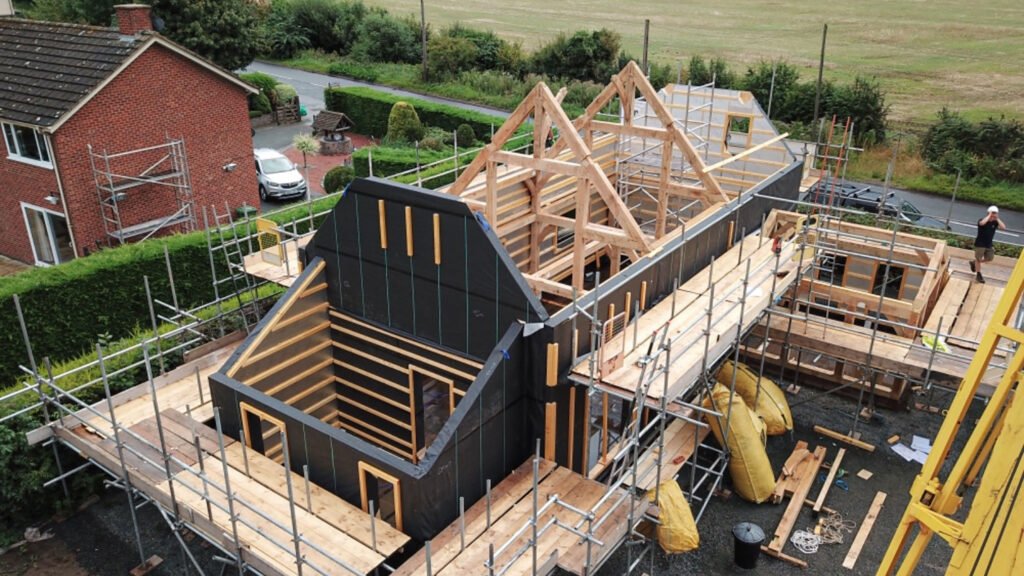
Timber frame houses are built using engineered wooden frames, with panels and insulation forming the walls. This construction method is lightweight, environmentally friendly, and allows for rapid building times. Unlike conventional brick-and-block houses, timber frame homes rely on the quality of materials and precision of construction, making maintenance and inspections essential to prevent long-term problems.
The UK climate, with frequent rain and high humidity, can exacerbate timber frame houses UK problems. Poorly installed weatherproofing or insufficient ventilation can lead to moisture ingress, which in turn causes mould growth, wood rot, and insulation degradation. Proper design, quality materials, and ongoing maintenance are key to ensuring that timber frame homes remain safe, efficient, and comfortable over the years.
Common Problems in Timber Frame Houses UK
Moisture and damp are among the most common timber frame houses UK problems. Leaks from roofs, gutters, or poorly sealed windows allow water to enter the structure, causing timber decay and potential mould issues. If left untreated, damp can spread throughout walls, floors, and insulation, resulting in expensive repairs and health risks for occupants.
Structural issues are another frequent concern. Timber may shrink, warp, or develop joint weaknesses over time, particularly in older homes or those built with substandard materials. Pest infestations, such as woodworm or termites, can further compromise the framework. Fire safety is also a critical consideration, and adherence to UK regulations is essential to minimise risk.
Causes and Risk Factors
Several factors contribute to timber frame houses UK problems. Environmental conditions, such as heavy rainfall, damp winters, and fluctuating temperatures, can stress timber and cause warping or cracking. Buildings exposed to poor drainage or standing water are especially at risk, highlighting the importance of site selection and water management.
Human factors also play a significant role. Poor maintenance, neglect of minor issues, or using untreated timber can accelerate the onset of structural and moisture-related problems. Choosing experienced builders, regular inspections, and timely repairs are essential for mitigating the risks associated with timber frame houses UK problems and ensuring long-term durability.
Solutions and Preventive Measures
Preventing timber frame houses UK problems starts with proper maintenance. Homeowners should inspect their property regularly for leaks, cracks, or signs of dampness, and ensure that ventilation systems are functioning correctly. Treating timber with protective coatings can prevent rot and deter pests, while maintaining insulation performance.
Pest control measures, including regular checks for woodworm or termite activity, are essential. Fire safety compliance, through sprinklers, alarms, and fire-retardant materials, adds another layer of protection. Addressing small issues promptly, following recommended maintenance routines, and investing in professional inspections are key to extending the lifespan of timber frame houses and avoiding costly repairs.
Buying or Building a Timber Frame House
When buying a timber frame house, it is important to assess potential timber frame houses UK problems carefully. Professional surveys should check for damp, structural movement, pest infestations, and fire safety compliance. Warranties and insurance coverage are vital to protect homeowners from unexpected expenses related to hidden defects.
Builders and developers can also take steps to minimise problems during construction. Using high-quality treated timber, precise installation techniques, and effective weatherproofing reduces the likelihood of future issues. Collaborating with reputable contractors and adhering to UK building regulations ensures timber frame houses remain a safe and valuable investment.
Conclusion
Timber frame houses UK problems are manageable when homeowners and builders understand the risks and implement preventive measures. Moisture control, pest management, structural monitoring, and fire safety are essential to maintaining the integrity of these properties. Awareness, regular maintenance, and professional support help ensure timber frame homes remain durable, efficient, and comfortable for decades.