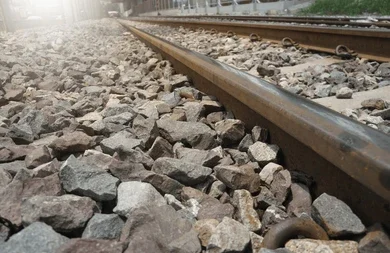
Ballast is a fundamental material used throughout the UK in building, construction, railways, and several specialist industries. It is valued for its ability to provide strength, weight, stability, and effective drainage. Although it often goes unnoticed, ballast supports many of the structures and systems people rely on every day, from homes and gardens to major transport networks.


When people search for what is ballast used for, they are usually looking for a clear and practical explanation. Ballast is not limited to one purpose or industry. Instead, it is a versatile material that adapts to different needs, making it an essential part of modern construction and infrastructure across the UK.
What Ballast Is and How It Works
Ballast is typically a coarse aggregate made from a mixture of sharp sand and gravel or crushed stone. In the UK, construction ballast is commonly supplied pre-mixed, making it easy to use for concrete and groundwork projects. The rough texture of the stones allows them to bond effectively with cement, forming a strong and durable material.
Understanding what is ballast used for begins with recognising how its composition works. The gravel provides strength and load-bearing capacity, while the sand fills the gaps between stones. This combination creates a solid mass that resists movement, supports weight, and allows water to drain freely, which is especially important in the UK climate.
Types of Ballast and Their Key Characteristics
There are several types of ballast, each designed for a specific purpose. Construction ballast is the most widely used and is mainly intended for concrete mixing and general building work. It is suitable for foundations, footings, shed bases, and structural groundworks, making it a staple material on UK building sites.
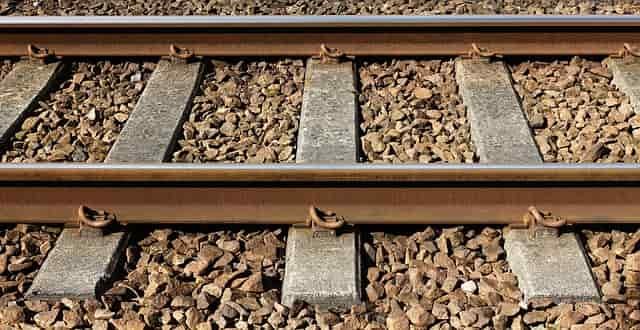
Railway ballast is another important type, made from crushed stone rather than a sand and gravel mix. Electrical ballast, used in lighting systems, serves a completely different function by regulating current and voltage. Marine ballast, often water or solid weight, is used to stabilise ships. Despite their differences, all types answer the same basic question of what is ballast used for: stability and control.
What Is Ballast Used For in Building Projects
In building work, ballast is most commonly used to make concrete. When combined with cement and water, it produces a strong mix suitable for foundations, floors, and structural bases. This makes ballast essential for domestic projects such as house extensions, garages, and garden buildings across the UK.
Another way people understand what is ballast used for in building is through ground stabilisation. Ballast can be used to secure fence posts, fill holes, and create firm bases beneath paving slabs. Its strength helps prevent movement over time, reducing the risk of cracks or uneven surfaces in finished structures.
What Is Ballast Used For in Construction and Groundworks
In larger construction projects, ballast plays a vital role in groundworks and infrastructure. It is often laid as a sub-base beneath roads, driveways, and pathways to spread loads evenly across the ground. This helps prevent subsidence and increases the lifespan of the finished surface.
Drainage is another major reason what is ballast used for in construction. The spaces between stones allow rainwater to drain away efficiently, protecting structures from water damage. In the UK, where heavy rainfall is common, this drainage function is essential for maintaining strong and durable construction.
What Is Ballast Used For on Railway Tracks
Railway ballast is critical to the safety and performance of the rail network. It supports sleepers, keeps tracks aligned, and absorbs vibrations caused by passing trains. Without proper ballast, tracks would shift under heavy loads, leading to higher maintenance costs and safety risks.
When considering what is ballast used for on railways, drainage is just as important as stability. Ballast allows water to flow away from the track structure, preventing pooling that could weaken the foundations. This ensures reliable rail transport across the UK in all weather conditions.
Additional Uses of Ballast in Other Industries
Beyond building and construction, ballast is used in several specialist applications. Electrical ballast is an essential component in fluorescent and HID lighting systems, where it controls current and ensures safe operation. Although it differs in form from construction ballast, its stabilising role remains central.
Marine ballast is used in ships to control balance and draft. By taking on or releasing ballast water, vessels maintain stability under different loading conditions. These varied applications further explain what is ballast used for across industries that rely on balance, control, and safety.
Benefits of Using Ballast in the UK
One of the main benefits of ballast is its strength and durability. It provides long-term support for structures, making it a cost-effective solution for builders and homeowners. Its wide availability across the UK also makes it easy to source for projects of any size.
Another key advantage is versatility. From concrete mixing to drainage layers, ballast can be adapted to many uses. This flexibility is why what is ballast used for remains a common and important question in the construction and building sectors.
Choosing the Right Ballast for Your Project
Selecting the correct ballast depends on the nature of the project. For general building and concrete work, standard construction ballast is usually suitable. For specialist applications, such as railways or drainage systems, specific grades and materials may be required.
Understanding what is ballast used for helps prevent common mistakes, such as using the wrong aggregate or mix. Choosing the right ballast ensures better performance, improved durability, and compliance with UK building practices and expectations.
Environmental and Sustainability Considerations
Sustainability is becoming increasingly important in the UK construction industry. Many suppliers now offer recycled ballast made from crushed concrete or stone, reducing waste and conserving natural resources. This makes ballast a more environmentally responsible choice.
Knowing what is ballast used for also encourages efficient material use. Accurate planning reduces over-ordering and unnecessary extraction, helping to lower environmental impact while keeping projects cost-effective and sustainable.
Conclusion on the Importance of Ballast
Ballast is an essential material that supports buildings, construction projects, railways, and many other systems across the UK. Its strength, drainage properties, and adaptability make it indispensable for creating stable and long-lasting structures.
By clearly understanding what is ballast used for, builders, contractors, and homeowners can make informed decisions. Choosing the right type of ballast ensures safer construction, better performance, and reliable results for a wide range of projects.