Social presentation refers to the way individuals consciously and unconsciously manage how they are perceived by others in social situations. It includes outward appearance, communication style, behaviour, and awareness of social expectations. From early childhood through adulthood, people constantly adjust their social presentation depending on the environment they are in, whether that is home, school, work, or public spaces.


Understanding this concept is important because social presentation affects relationships, confidence, and social inclusion. When individuals understand how their actions influence others, they are better able to interact positively and respond appropriately to social cues. In the UK, social presentation is widely discussed in education, child development, and safeguarding contexts, making it a key concept for both professionals and families.
Social Presentation Refers To Managing Behaviour and Social Awareness
Social presentation refers to the ability to recognise that behaviour sends messages to others. This includes understanding tone of voice, body language, facial expressions, and personal conduct. People learn over time how certain behaviours may be interpreted, which helps them adapt to different social situations. This learning process is shaped by culture, family values, and social feedback.
Another important aspect of social presentation is adaptability. Individuals may behave differently in formal environments compared to relaxed social settings. This flexibility is not about being false, but about understanding expectations and behaving respectfully. Social presentation therefore supports effective communication, cooperation, and mutual understanding within communities.
Social Presentation Refers To a Child’s Social and Emotional Development
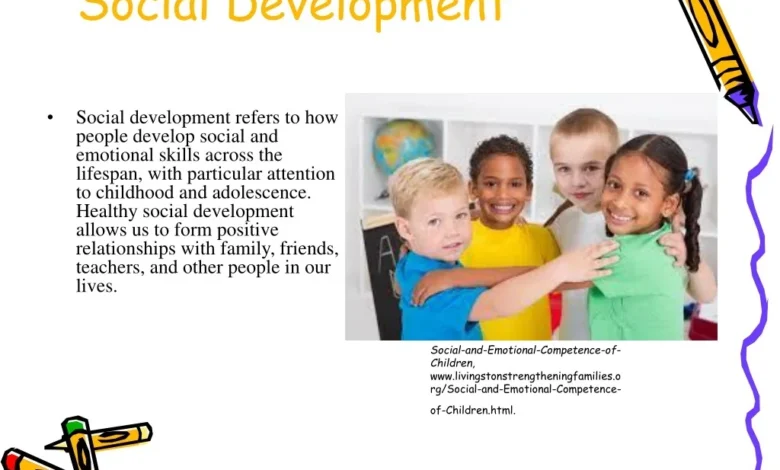
Social presentation refers to a child’s growing awareness of how they appear to others and how their behaviour affects social interactions. In early childhood, this development begins with simple actions such as learning to share, make eye contact, and follow basic rules. These early experiences help children understand social boundaries and acceptable behaviour.
As children grow older, their social presentation becomes more complex. They learn how to adapt their behaviour for school, friendships, and wider social settings. Parents, carers, and teachers play an essential role in guiding children through positive reinforcement and modelling appropriate behaviour. This support helps children build confidence and develop healthy social relationships.
Social Presentation Refers To Safeguarding and Child Wellbeing
Social presentation refers to an important observation area within safeguarding practices in the UK. Professionals working with children consider appearance, behaviour, and social interaction as part of a broader understanding of a child’s wellbeing. Sudden or noticeable changes in social presentation may prompt further observation or support, always alongside other information.
It is important to approach social presentation sensitively in safeguarding contexts. Changes may reflect emotional development, family circumstances, or cultural differences rather than immediate concern. Observing social presentation is about ensuring children feel supported and understood, not judged. When used responsibly, it contributes to early help and positive outcomes.
Social Presentation Refers To Learning and Behaviour in Education
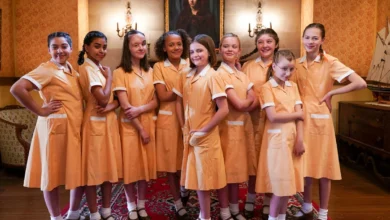
Social presentation refers to how children and young people present themselves in educational environments. Schools provide structured settings where expectations around behaviour, communication, and appearance are clearly defined. Learning these expectations supports academic progress, peer relationships, and emotional wellbeing within the classroom.
Beyond rules and routines, social presentation in education helps pupils develop life skills. Group work, classroom discussions, and extracurricular activities all encourage children to practise respectful communication and cooperation. These experiences prepare young people for future social and professional environments, where understanding social expectations is essential.
Social Presentation Refers To Modern Society and Digital Interaction
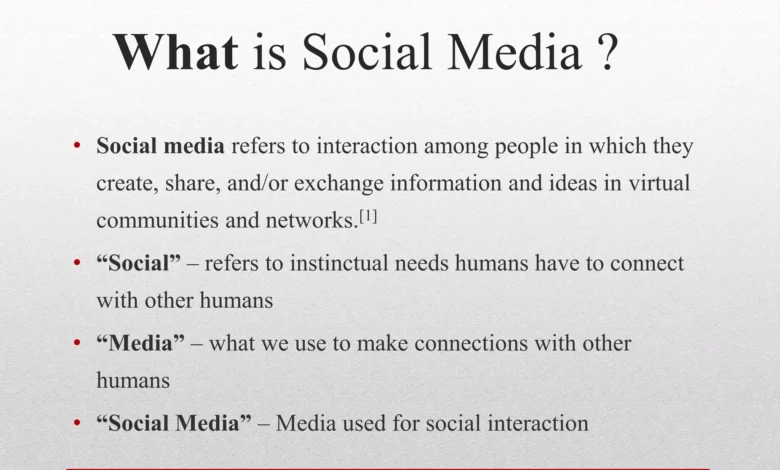
Social presentation refers to both face-to-face interaction and online behaviour in today’s digital world. Social media, messaging platforms, and online communities allow individuals to present curated versions of themselves. Photos, language choices, and online conduct all contribute to how someone is perceived by others.
For children and young people, learning about digital social presentation is increasingly important. Understanding respectful online communication, privacy, and appropriate behaviour helps reduce risks and promotes positive digital citizenship. Educating young people about online social presentation supports confidence and safety in an increasingly connected society.
Conclusion on Why Social Presentation Matters
Social presentation refers to a key aspect of human interaction that influences how people connect, communicate, and belong within society. It develops gradually through experience, guidance, and social learning, beginning in childhood and continuing throughout life. Understanding this concept supports empathy, respect, and effective communication.
By recognising the importance of social presentation in child development, safeguarding, and education, families and professionals can better support positive social growth. Encouraging awareness rather than judgement helps individuals develop confidence and adaptability, contributing to healthier relationships and inclusive communities.