Winter driving in the UK can be challenging, especially when snow, ice, and slush cover the roads. Many drivers underestimate how slippery surfaces can affect control and safety. Understanding why should you fit chains to your wheels is essential for navigating winter roads confidently. Wheel chains give tyres the extra grip needed to prevent skidding, maintain control, and safely reach your destination during severe weather conditions.


Chains are more than just an optional accessory; they are a vital safety tool for drivers in snowy or icy areas. By learning why should you fit chains to your wheels, you can avoid accidents, reduce tyre wear, and comply with legal requirements in regions where chains are mandatory. This guide explores everything from their purpose to installation and maintenance for UK drivers.
What Are Wheel Chains?
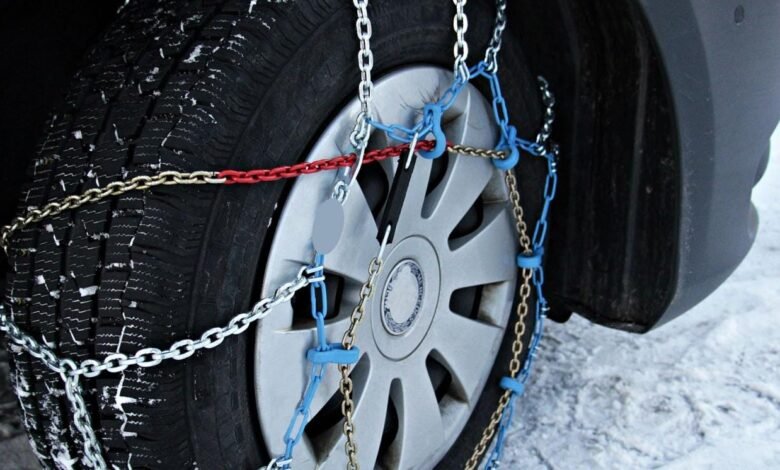
Wheel chains, often called snow chains, are specially designed devices that wrap around tyres to improve traction on slippery surfaces. Made from durable metal or composite materials, these chains dig into snow and ice, allowing vehicles to grip the road when normal tyres would fail. Understanding why should you fit chains to your wheels begins with knowing how they enhance stability, steering, and braking.
There are several types of wheel chains available in the UK, including traditional metal chains, cable chains, and quick-fit models that are easier to install. Each design offers different benefits depending on your vehicle type and driving conditions. Knowing why should you fit chains to your wheels helps drivers choose the best option for safety and convenience during winter months.
Key Reasons to Fit Chains to Your Wheels
The most important reason to fit chains is improved traction. Snow and ice drastically reduce tyre grip, making it difficult to accelerate, brake, or steer safely. Chains allow tyres to “bite” into icy surfaces, preventing wheel spin and improving control. Recognising why should you fit chains to your wheels ensures drivers take the necessary precautions before venturing into hazardous conditions.
Safety is another crucial factor. Chains significantly enhance vehicle stability, helping drivers avoid skidding or sliding on steep hills or icy roads. In many mountainous areas of the UK, it is a legal requirement to carry and fit chains during heavy snowfall. Understanding why should you fit chains to your wheels highlights their role not only in safety but also in legal compliance.
When and Where to Use Wheel Chains

Knowing when to fit chains is critical for their effectiveness. They should be used in areas where snow, ice, or slush makes driving hazardous. Deep snow, steep gradients, and unmaintained rural roads are common examples. By understanding why should you fit chains to your wheels, drivers can make informed decisions about their safety and readiness for challenging conditions.
In the UK, roadside signs often indicate when chains are necessary, particularly in mountainous or remote regions. Seasonal factors, such as winter storms and sudden frost, also dictate when chains are useful. Awareness of why should you fit chains to your wheels ensures that drivers are prepared for sudden changes in road conditions and can prevent accidents before they happen.
How to Fit and Use Wheel Chains Safely
Fitting chains correctly is essential to ensure they provide maximum traction and do not damage tyres. Start by placing the chain over the drive wheels and securing it according to manufacturer instructions. Practicing installation in dry conditions before winter travel can help drivers understand why should you fit chains to your wheels and gain confidence in their use during snow or ice.
Once fitted, chains require careful driving. Reduce speed, avoid sharp turns, and maintain extra distance from other vehicles. Driving too fast can damage chains and tyres, reducing their effectiveness. Knowing why should you fit chains to your wheels and following proper installation and driving guidelines ensures that chains work as intended, keeping you safe in extreme winter conditions.
Maintenance and Storage of Wheel Chains
After use, chains must be cleaned, dried, and inspected for wear. Proper storage in a dry, safe location prolongs their life and ensures they are ready for the next winter season. Drivers who understand why should you fit chains to your wheels are more likely to maintain them effectively, avoiding rust or damage that could compromise safety.
Regular inspection is essential, as worn or damaged chains can fail when you need them most. Replacing faulty chains ensures reliable performance on icy roads. Maintenance routines emphasise the importance of knowing why should you fit chains to your wheels and highlight the need for preparation before winter travel.
Alternatives to Wheel Chains
Winter tyres are a popular alternative for drivers looking to improve traction without chains. Studded tyres and other traction devices are also available. While these solutions are useful, knowing why should you fit chains to your wheels demonstrates that chains remain the most reliable choice for extreme snow and icy conditions, especially on steep or rural roads.
Chains offer versatility that other traction methods cannot match, particularly in deep snow. Choosing the right winter safety solution requires understanding your driving routes, vehicle type, and local conditions. Recognising why should you fit chains to your wheels ensures drivers select the safest option for every winter journey.
Conclusion
Understanding why should you fit chains to your wheels is essential for all drivers facing winter roads in the UK. Chains provide superior traction, improve vehicle control, and help prevent accidents. They are often legally required in mountainous or snow-prone areas, making them a critical part of winter driving preparedness. Proper installation, careful driving, and regular maintenance ensure safety and confidence during icy conditions.