What Helps Hair Growth After Chemo: Doctor-Approved Tips That Actually Work

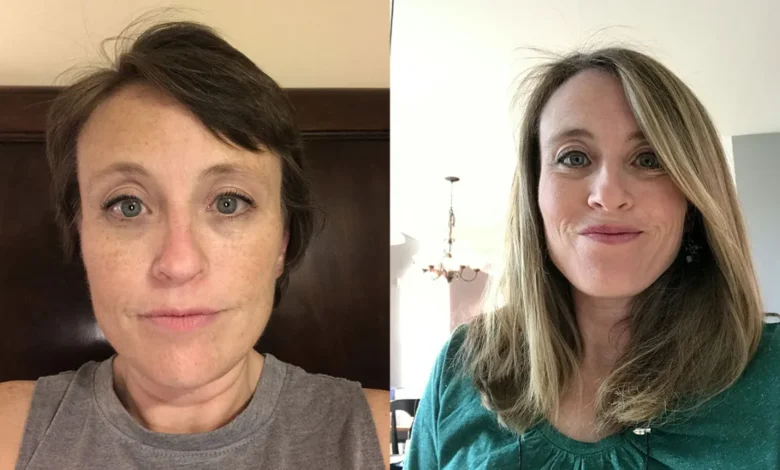
Hair loss after chemotherapy can be one of the most visible and emotionally challenging side effects of cancer treatment. Many patients worry about when their hair will return and what it will look like. The good news is that hair often grows back, though it may take time, and the process varies from person to person. Understanding what helps hair growth after chemo can make this journey smoother and more manageable.


Knowing the right practices to encourage hair regrowth is essential. This article will explore practical, doctor-approved strategies that support scalp health, nutrition, and gentle hair care. By following these tips, patients and survivors can nurture their hair safely while boosting confidence during recovery.
Understanding Hair Loss During Chemotherapy
Chemotherapy targets rapidly dividing cells in the body, which include not only cancer cells but also healthy cells such as those in hair follicles. This is why hair often thins or falls out entirely during treatment. Different chemotherapy drugs affect hair differently, with some causing partial thinning and others resulting in complete scalp hair loss.
Hair loss from chemotherapy can affect more than just the scalp. Eyebrows, eyelashes, and body hair may also be impacted. Understanding why hair falls out and recognising the emotional challenges that accompany it can help patients manage expectations. Support from healthcare teams and loved ones plays a critical role in navigating this change with confidence.
When Does Hair Start to Grow Back After Chemo
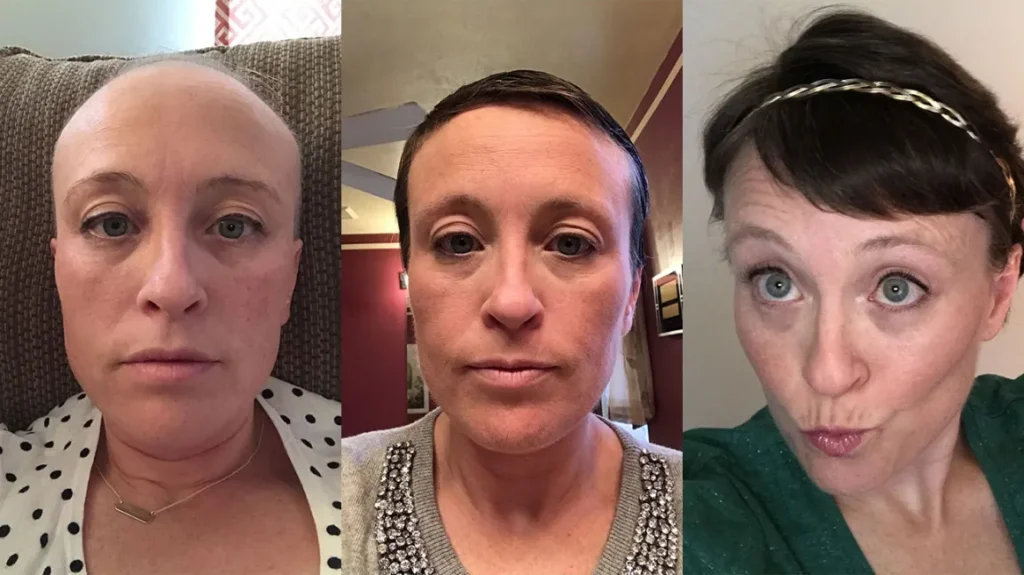
Hair typically begins to regrow within two to three months after chemotherapy ends. Early regrowth may appear as fine, soft fuzz rather than full hair strands. This new growth often feels different in texture or colour, and some patients notice curls where hair was previously straight or vice versa.
It is important to remain patient during this period. Hair regrowth timelines vary, and while most people see gradual improvement within six months, others may experience slower changes. Consulting a healthcare professional if regrowth seems delayed or patchy can ensure there are no underlying issues affecting hair recovery.
What Helps Hair Growth After Chemo
Gentle Hair and Scalp Care
Gentle hair care is essential for promoting regrowth after chemotherapy. Using mild, fragrance-free shampoos and conditioners helps protect sensitive hair and scalp from damage. Avoiding harsh chemicals or frequent washing reduces stress on follicles and prevents unnecessary breakage.
Scalp massage is another technique that may improve blood flow and stimulate hair growth. Using soft brushes, wide-toothed combs, and silk pillowcases further reduces friction and protects new hair. Consistency in these gentle practices is key to nurturing hair during its earliest stages of regrowth.
Nutrition That Supports Hair Regrowth
A nutrient-rich diet can significantly impact hair recovery. Protein is crucial for keratin production, which forms the structure of hair strands. Including foods rich in vitamins B, C, E, iron, and zinc supports hair follicle health and overall regrowth after chemotherapy.
Hydration and omega-3 fatty acids also play a role in hair strength and shine. Incorporating oily fish, nuts, seeds, and plenty of water helps nourish both scalp and hair. Understanding what helps hair growth after chemo through nutrition ensures the body has the resources needed for healthy regeneration.
Doctor-Approved Treatments and Supplements
Some medical treatments and supplements can assist hair regrowth after chemotherapy. Biotin and multivitamins may be helpful for some patients, but it is essential to consult a doctor before starting any supplement. Minoxidil, a topical treatment, can also be considered under medical supervision.
Following a doctor-approved plan ensures hair regrowth is safe and effective. Patients should never self-prescribe supplements or treatments without guidance, as certain products may interfere with recovery or interact with other medications. Knowing what helps hair growth after chemo from a medical perspective promotes both safety and efficacy.
What to Avoid While Hair Is Growing Back
Certain habits can slow or damage regrowth. Using heat styling tools such as straighteners or curling irons can weaken new hair. Chemical treatments like dyes, perms, or relaxers should also be avoided until hair is fully established and resilient.
Tight hairstyles can cause traction and breakage, while aggressive washing or rough towel-drying can harm delicate strands. Understanding what helps hair growth after chemo includes recognising these avoidances, allowing patients to protect their hair and encourage healthy, consistent regrowth.
Managing Scalp Sensitivity and Confidence During Regrowth
Scalp sensitivity is common during hair regrowth. Itching, dryness, or tenderness may occur and can be alleviated with gentle moisturising, soft fabrics, and minimal handling. Protecting the scalp from sun exposure using hats or sunscreen is also important.
Hair regrowth can affect self-esteem, but supportive head coverings, wigs, and styling options can help patients feel confident during this transitional period. Recognising what helps hair growth after chemo goes beyond physical care—it includes nurturing emotional wellbeing and adjusting to changes in appearance.
Natural and Lifestyle Approaches That May Help
Stress management and overall wellness can influence hair regrowth. Regular sleep, moderate exercise, and mindfulness practices may contribute to healthier hair recovery. While natural remedies such as oils or masks are popular, their effectiveness varies, and realistic expectations are essential.
Patients should focus on holistic care, combining gentle hair practices, nutrition, and lifestyle management. Understanding what helps hair growth after chemo includes patience, consistency, and adopting a balanced approach that supports both physical recovery and emotional resilience.
When to Seek Medical Advice
If hair regrowth seems delayed or unusual patterns appear, seeking professional advice is recommended. Conditions such as nutritional deficiencies, thyroid problems, or other underlying medical issues can interfere with hair recovery. Referral to dermatologists or trichology specialists may provide additional support.
Consulting medical professionals ensures safe, evidence-based interventions. Being proactive about hair regrowth allows patients to address concerns early and ensures that they are using strategies that genuinely help. Knowing what helps hair growth after chemo includes recognising when extra support is necessary.
Conclusion
Hair regrowth after chemotherapy is a gradual process that requires patience, care, and knowledge. By combining gentle hair practices, proper nutrition, doctor-approved treatments, and lifestyle support, patients can optimise recovery. Understanding what helps hair growth after chemo empowers survivors to nurture their hair while maintaining confidence and wellbeing throughout the journey.