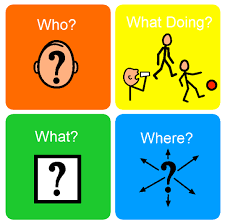
Understanding language can be challenging for many children, especially those with speech or language difficulties. What is colourful semantics? It is a visual, structured approach in speech and language therapy that uses colour-coded cards or symbols to help children build and understand sentences. By assigning specific colours to different parts of speech, children can see how words relate, making grammar and sentence construction more accessible and enjoyable.


The approach is designed to gradually guide children from forming simple two- or three-word sentences to more complex structures. What is colourful semantics is not only useful for improving spoken language, but it also supports comprehension, reading, and writing. Its visually engaging method makes it easier for children to understand abstract grammatical concepts that might otherwise be confusing or frustrating.
What is colourful semantics used for
What is colourful semantics used for primarily focuses on helping children understand sentence structure, word meanings, and grammar. It is especially beneficial for children with autism spectrum disorders, language delays, or specific learning difficulties. By visually representing who is doing what, where, and how, children can organise their thoughts and express themselves more clearly. Colour coding acts as a bridge between understanding and verbal or written expression.
Parents, teachers, and therapists use this approach to improve communication in both educational and home settings. What is colourful semantics used for also includes improving comprehension skills, encouraging children to answer ‘wh-’ questions, and expanding vocabulary. By making sentence construction interactive and visual, children are less likely to feel overwhelmed by language challenges, boosting confidence and engagement.
How colourful semantics works
What is colourful semantics works by breaking sentences into distinct colour-coded components, each representing a part of speech. For example, the subject is usually orange, verbs are yellow, objects are green, and locations are blue. Children begin with simple sentences, such as “The boy is running,” and gradually incorporate additional elements like “when” or “how” to form more complex sentences. This step-by-step process makes grammar tangible.
Visual aids such as cards, pictures, and sentence strips support learning by giving children a hands-on way to construct sentences. What is colourful semantics allows children to manipulate these visual cues, reinforcing the connections between words and their functions. Through repeated practice and interaction, children develop a stronger grasp of grammar, sentence flow, and language comprehension, which helps both spoken and written communication.
Benefits of colourful semantics
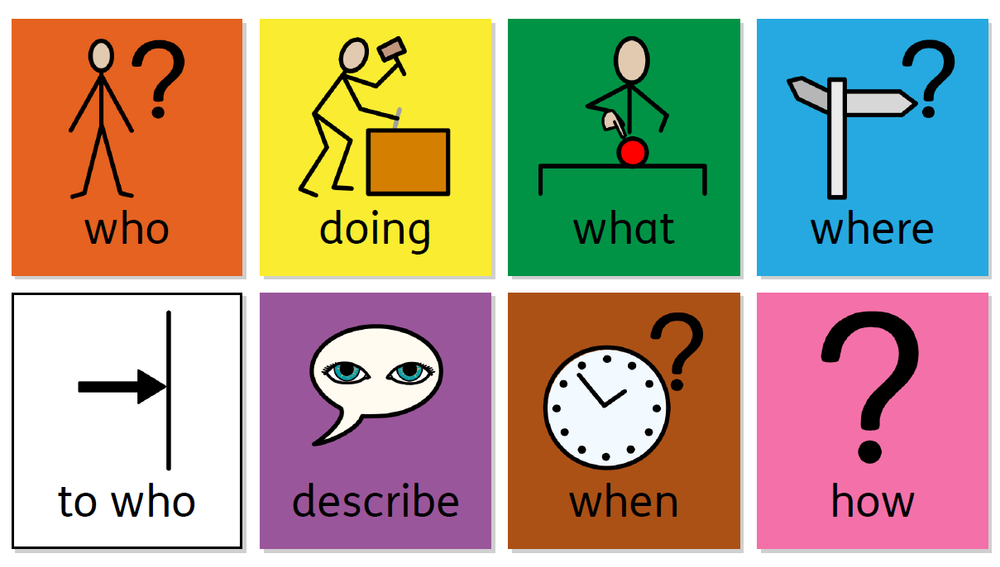
The benefits of what is colourful semantics extend far beyond sentence construction. Children who use this approach develop a clear understanding of syntax and semantics, which enables them to form longer, more detailed sentences. Vocabulary expansion, improved comprehension, and the ability to respond accurately to ‘wh-’ questions are among the key advantages.
In addition, what is colourful semantics makes learning interactive and enjoyable. The use of bright, visual cues reduces frustration for children who struggle with verbal expression and engages them in the learning process. Teachers and therapists often report noticeable improvements in confidence, sentence structure, and language clarity after consistent use, making it an effective and accessible tool for a wide range of learners.
Practical uses of colourful semantics
What is colourful semantics used for in real-life settings includes classrooms, speech therapy sessions, and home learning. In schools, teachers can integrate the method into literacy and communication activities, helping children develop language skills while supporting the curriculum. At home, parents can use printables, sentence strips, and colour-coded cards to reinforce learning in a fun and structured way.
This approach is also particularly effective for group activities. Children can work together to create sentences, ask and answer questions, and practise collaborative learning. What is colourful semantics used for extends beyond simple sentence building, as it also enhances social interaction, encourages discussion, and promotes confidence in communication. Resources like Twinkl worksheets, guides, and printables make it simple to implement.
Examples of colourful semantics in action
Practical examples help demonstrate the effectiveness of what is colourful semantics. A simple sentence such as “The girl eats an apple” uses colour-coded cards for the subject, verb, and object. Children can then progress to more detailed sentences like “The girl eats an apple in the garden,” adding a location element to expand understanding.
More advanced examples might include questions such as “Who is running in the park?” or “What is the cat doing on the sofa?” Using the colour-coded system, children can answer correctly by arranging the cards or symbols. What is colourful semantics transforms abstract grammar concepts into tangible visual learning, making sentence construction intuitive and enjoyable while boosting comprehension.
Tips for using colourful semantics effectively
To make the most of what is colourful semantics, consistency is essential. Children should practise regularly using sentence strips, cards, or worksheets. Encouraging experimentation with different sentence structures and offering praise for correct construction fosters motivation and engagement. Introducing too many elements at once can overwhelm children, so a gradual approach is recommended.
Integration into both school and home environments enhances progress. Tracking achievements, celebrating milestones, and adapting exercises to each child’s learning pace ensures that what is colourful semantics becomes a fun, confidence-building process. Combining structured lessons with playful activities keeps children motivated and helps them internalise sentence patterns over time.
Conclusion
What is colourful semantics is a highly effective, visual method for developing language skills in children with speech or language challenges. By using colour-coded cues, children gain a better understanding of sentence structure, improve comprehension, and build confidence in both spoken and written language. Its practical applications in therapy, school, and home make it an invaluable tool for enhancing communication.